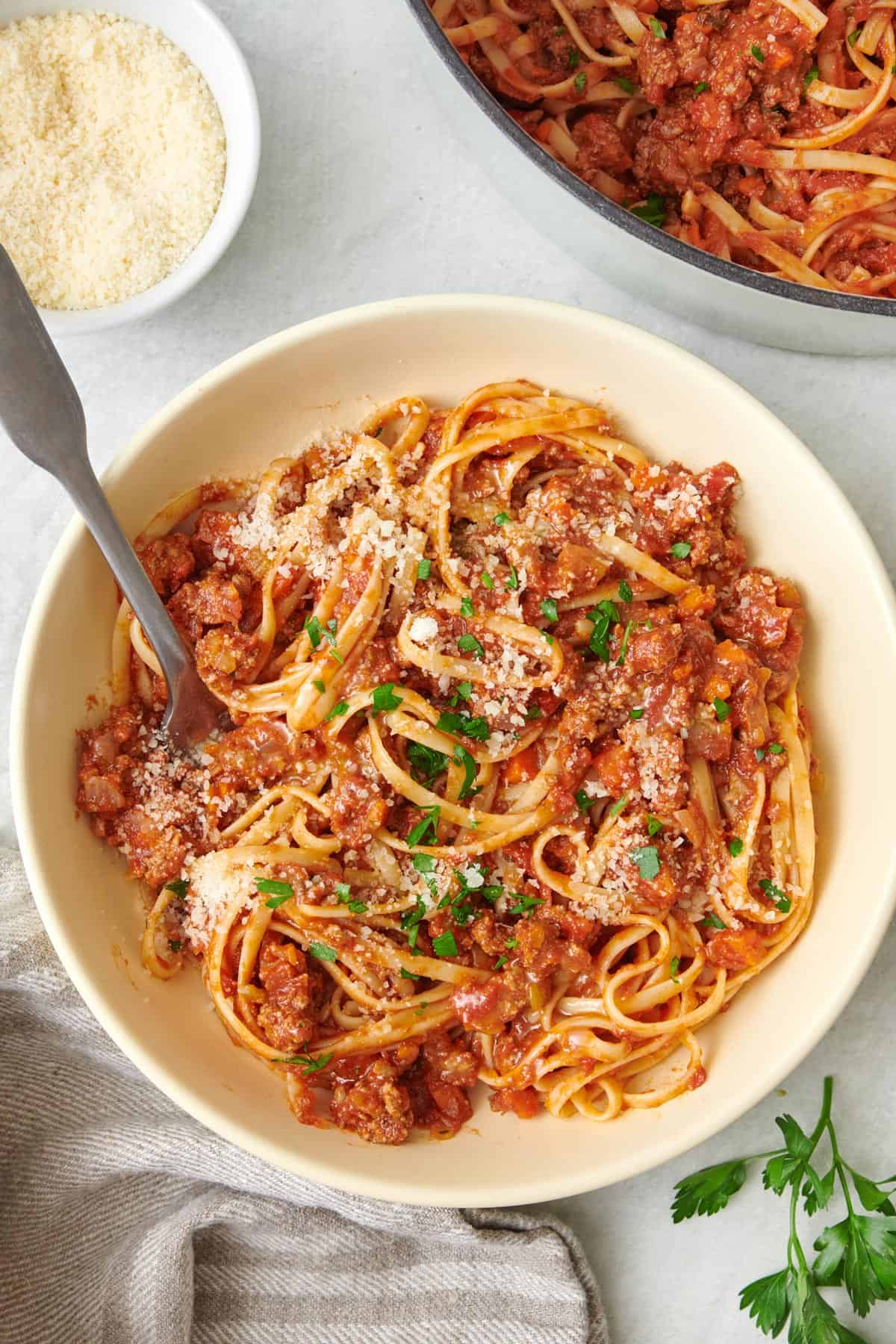
Crafting Your Best Pasta Bolognese: A Culinary Journey from Scratch to Speed
Few dishes evoke the warmth and comfort of home quite like a rich, savory plate of pasta bolognese. This iconic Italian ragù, traditionally hailing from the Emilia-Romagna region, has captured hearts and palates worldwide. What makes pasta bolognese so universally beloved isn't just its deep, complex flavors, but also its incredible versatility. Whether you're a culinary purist with time on your hands, a busy weeknight warrior seeking efficiency, or a family chef aiming for minimal cleanup, there's a perfect pasta bolognese method for you. Let's delve into the art and science of preparing this classic, exploring its homemade grandeur, quick-fix convenience, and the brilliance of the one-pot wonder.
The Art of Authentic Homemade Pasta Bolognese
For those who believe that the best things in life take time, a traditional, homemade pasta bolognese is a labor of love that rewards generously. This approach allows for maximum control over ingredients and flavor development, resulting in a sauce that sings with depth and character.
The Foundation: Quality Ingredients
The secret to an exceptional homemade Bolognese begins with choosing the finest components. Think of it as building a culinary masterpiece, brick by delicious brick:
- Premium Ground Meat: While variations exist, authentic Bolognese typically uses 100% high-quality ground beef. Opt for a mince with a good fat content (around 15-20%) for superior flavor and tenderness. Some traditionalists also blend beef with pork or veal for added complexity.
- The Soffritto: This aromatic trio is non-negotiable. Finely diced carrots, celery, and onion form the flavorful backbone of the sauce. Sautéing them slowly until softened and translucent releases their sweet, earthy notes, creating a perfect base for the meat.
- Exceptional Tomato Base: Ditch the bland and reach for quality. Crushed or whole peeled San Marzano tomatoes, known for their balanced sweetness and low acidity, are an excellent choice. Alternatively, a robust passata or high-quality tomato paste forms a concentrated foundation.
- Building Blocks of Flavor: Beyond the core, a few additions elevate the sauce. A splash of dry red wine (like Chianti or Sangiovese) adds acidity and depth, deglazing the pan and scraping up all those flavorful browned bits. A touch of whole milk or cream, added during the simmering process, can tenderize the meat and create a beautifully velvety texture, a hallmark of some traditional recipes.
- Herbs and Seasonings: Freshly grated nutmeg is a surprisingly crucial, yet often overlooked, ingredient that adds warmth and mystique. Bay leaves, a pinch of dried oregano, and plenty of salt and freshly ground black pepper are essential.
The Slow Simmer: Developing Flavor
Once your ingredients are prepped, the magic happens in the pot:
- Browning the Meat: Start by browning the ground beef (and any other meats) thoroughly in a hot pan, breaking it up as it cooks. This crucial step develops rich, savory notes through the Maillard reaction. Drain any excess fat to prevent a greasy sauce.
- Sautéing the Soffritto: In the same pan, soften the diced carrots, celery, and onion. Their sweetness and aromatics will infuse the entire dish.
- Deglazing and Building: Add the wine (if using) and scrape up any browned bits from the bottom of the pan – this is pure flavor! Stir in the tomato paste, cooking it for a minute to deepen its color and taste.
- The Long Embrace: Incorporate the crushed tomatoes, milk (if using), broth, bay leaves, and seasonings. Bring the sauce to a gentle simmer, then reduce the heat to low, cover partially, and let it cook. This is where patience pays off. A minimum of 2-3 hours, or even longer (up to 4-6 hours), allows the flavors to meld, the meat to tenderize, and the sauce to thicken into a rich, unctuous ragù. Stir occasionally to prevent sticking.
This traditional method yields a truly unparalleled pasta bolognese, a testament to culinary craftsmanship. For even more detailed insights into perfecting your homemade sauce, explore Secrets to Authentic Pasta Bolognese: Fresh Ingredients & Sauce Tips.
Speedy Solutions: Quick & Easy Pasta Bolognese
Life doesn't always afford us hours in the kitchen, but that doesn't mean a delicious pasta bolognese is out of reach. With clever shortcuts and strategic planning, you can bring this family favorite to the table in a fraction of the time.
Harnessing Convenience: Pre-Made Sauces
One of the most straightforward ways to expedite your Bolognese is by utilizing a high-quality jarred sauce. Many reputable brands offer excellent Bolognese or traditional tomato sauces that serve as a fantastic starting point. The key is to think of them as a foundation, not the final product. Here’s how to elevate them:
- Boost the Meat: Even if the jarred sauce contains meat, adding freshly browned ground beef or a mix of beef and Italian sausage can significantly enhance the flavor and texture.
- Fresh Aromatics: Quickly sauté some fresh diced onion, garlic, or even a smaller amount of the classic soffritto (carrot, celery, onion) before adding your jarred sauce. This introduces fresh, vibrant flavors that brighten up the pre-cooked base.
- Strategic Additions: A splash of red wine, a teaspoon of sugar (to balance acidity), a dollop of tomato paste, or a handful of fresh herbs like basil or oregano can transform a good jarred sauce into one that tastes almost homemade. Even a touch of heavy cream or milk can add a luxurious richness.
Streamlining the Process: Time-Saving Hacks
Beyond store-bought sauces, smart cooking techniques can dramatically reduce prep and cook time:
- Pre-Prepped Veggies: Many supermarkets offer pre-chopped mirepoix (the French equivalent of soffritto), saving you knife time.
- Batch Cooking & Freezing: Dedicate an hour or two on a weekend to make a large batch of Bolognese sauce from scratch. Portion it out and freeze it. Then, on a busy weeknight, simply thaw, heat, and serve with freshly cooked pasta. This gives you homemade flavor with weeknight speed.
- High-Heat Searing: Instead of a slow braise, a quicker Bolognese can involve browning the meat and sautéing vegetables, then adding tomatoes and simmering for 30-45 minutes. While not as deep as the traditional version, it’s still delicious and satisfying.
- Pressure Cooker/Instant Pot: These appliances are game-changers for speed. A rich Bolognese can be cooked in a fraction of the traditional time, often achieving similar depth of flavor due to the high-pressure cooking environment.
The Everyday Hero: One-Pot Pasta Bolognese
For ultimate convenience and minimal cleanup, the one-pot pasta bolognese is an absolute lifesaver. This ingenious method cooks the pasta directly in the sauce, infusing every strand with rich flavor and leaving you with just a single pot to wash. It's a fantastic option for a busy weeknight meal that is both hearty and nutritious.
Mastering the One-Pot Method
While seemingly simple, a successful one-pot Bolognese requires a bit of understanding:
- Building the Base: Start by browning your ground meat in a large, heavy-bottomed pot or Dutch oven. Drain any fat.
- Aromatics and Tomatoes: Add your chopped onion, garlic, or pre-chopped soffritto to the pot and sauté until softened. Stir in tomato paste, crushed tomatoes, and any desired herbs and seasonings.
- The Crucial Liquid: This is where the magic happens. You'll need enough liquid (usually a combination of chicken or beef broth and water, or even some of the jarred sauce) to cook the pasta. The general rule is about 4-5 cups of liquid for every 1 pound of pasta, but always check your specific recipe for precise ratios. The starches released from the pasta as it cooks will thicken the sauce beautifully.
- Adding the Pasta: Break longer pasta shapes like spaghetti or bucatini in half if necessary, then add them directly to the pot with the sauce and liquid. Ensure the pasta is mostly submerged.
- Simmer to Perfection: Bring the mixture to a boil, then reduce the heat to a steady simmer. Stir frequently to prevent the pasta from sticking to the bottom of the pot and to ensure even cooking. Cook until the pasta is al dente and most of the liquid has been absorbed, typically 12-18 minutes depending on the pasta type.
- Finishing Touches: Remove from heat, stir in a knob of butter or a splash of olive oil, and a generous handful of grated Parmesan cheese. Let it rest for a few minutes to allow the sauce to fully coat the pasta.
The beauty of the one-pot method is its efficiency and the concentrated flavor it produces. Every bite of pasta is saturated with the savory Bolognese. For more ideas on how to incorporate these time-saving methods into your routine, check out Easy Weeknight Meals: One-Pot & Baked Pasta Bolognese Ideas. And for those looking for another convenient, often make-ahead option, baked pasta bolognese offers a similar satisfaction with its cheesy, bubbling top and comforting layers.
Elevating Your Bolognese: Beyond the Basics
While the classic pasta bolognese is perfect in its simplicity, there's always room for personal touches and creative experimentation. Elevating your dish can mean subtle tweaks or bold additions that cater to your palate.
Creative Twists & Variations
- Vegetable Power-Ups: Enhance the nutritional profile and flavor by adding finely diced mushrooms, bell peppers, zucchini, or even a handful of spinach towards the end of cooking. The reference context mentions "grilled aubergine," which can be a fantastic addition, either grilled and stirred into the sauce or served alongside for a smoky, earthy counterpoint.
- Meat Mixtures: Experiment with different ground meats. A blend of beef and Italian sausage adds a wonderful fennel and spice kick. Ground lamb can provide a richer, gamy flavor. For a lighter touch, ground turkey or chicken can be used, though they often benefit from added fat or richer broths.
- Spice it Up: A pinch of red pepper flakes can introduce a subtle warmth, while a small amount of smoked paprika can add a delightful smoky depth.
- Alternative Pasta Shapes: While spaghetti is often associated with Bolognese (especially outside Italy), traditionalists often prefer wider, flat pasta like tagliatelle or pappardelle, which better cling to the thick, meaty sauce. Rigatoni, penne, or fusilli are also excellent choices, allowing the sauce to nestle in their grooves.
- Garnishes Galore: Beyond grated Parmesan cheese (which is a must!), consider a sprinkle of fresh basil, finely chopped parsley, or a drizzle of high-quality extra virgin olive oil just before serving.
Pairing Perfection
A well-made pasta bolognese deserves thoughtful accompaniment:
- Wine Pairings: A medium-bodied Italian red wine, such as a Chianti Classico, Sangiovese, or Montepulciano d'Abruzzo, complements the richness of the sauce beautifully. For white wine lovers, a crisp Vermentino or a light-bodied Pinot Grigio can offer a refreshing contrast.
- Side Dishes: Keep it simple. A fresh, crisp green salad with a light vinaigrette provides a refreshing counterpoint to the hearty sauce. Garlic bread or crusty artisanal bread is perfect for soaking up every last drop of that delicious ragù.
From the painstaking dedication of a homemade classic to the rapid convenience of a one-pot meal, pasta bolognese remains a testament to the enduring appeal of simple, quality ingredients transformed into something extraordinary. Whether you choose to simmer it for hours, speed it up with smart shortcuts, or embrace the magic of minimal cleanup, the result is a comforting, flavorful dish that brings joy to any table. So, roll up your sleeves, pick your path, and craft your best pasta bolognese yet – it's a culinary adventure worth savoring.
