Unlocking the Soul of Bolognese: The Fresh Ingredient Imperative
The culinary world is rich with dishes that evoke comfort, tradition, and profound satisfaction, and few do so as universally as pasta bolognese. While convenient jarred sauces and speedy one-pot versions certainly have their place in a busy weeknight repertoire, the true magic of an authentic Bolognese sauce lies in its foundation: fresh, high-quality ingredients and a generous investment of time. Crafting this iconic Italian ragù from scratch is not merely cooking; it's a meditative process that rewards the patient chef with unparalleled depth of flavor and a rich, velvety texture. This article will delve into the secrets of creating a truly memorable pasta bolognese, focusing on the critical role of fresh components and expert sauce techniques that elevate it from a simple meal to a gourmet experience.
At the heart of any exceptional dish are its building blocks. For a traditional Bolognese, this means going beyond basic necessities and meticulously selecting each element. The difference between a good pasta bolognese and an extraordinary one often hinges on the quality and freshness of even the most humble ingredients. Think of it as painting a masterpiece – the finest pigments yield the most vibrant results.
The Meat: Beyond Just Ground Beef
While 100% ground beef is a good starting point, as suggested, truly authentic Bolognese often benefits from a blend of meats. Incorporating ground pork adds richness and a tender texture, thanks to its higher fat content. Some traditional recipes even include a small amount of pancetta (Italian cured pork belly), finely diced, rendered first to create a flavorful fat base for sautéing. When selecting your ground meat, opt for a medium fat percentage (e.g., 80/20 beef) for optimal flavor and moisture, and ideally, choose freshly ground meat from a trusted butcher. This ensures both quality and freshness, which is paramount for the overall taste of your pasta bolognese.
The Soffritto: The Aromatic Holy Trinity
Every great Italian sauce, and especially pasta bolognese, begins with a soffritto – a finely diced mixture of carrots, celery, and onions. This trio isn't just filler; it's the aromatic soul of the sauce, providing a subtle sweetness, earthiness, and complex foundational flavor. The key here is not just using fresh vegetables, but preparing them correctly. They should be finely minced, ideally to a uniform size, so they cook evenly and melt into the sauce rather than standing out as chunky pieces. Patience is crucial when sautéing the soffritto; cook it slowly over low heat until it's soft, translucent, and deeply fragrant, but not browned. This slow rendering coaxes out their natural sugars and forms a sweet, savory bedrock for the ragù.
The Tomato Base: Quality Over Quantity
While the tomato component in a Bolognese might seem straightforward, the quality of your tomatoes can drastically alter the outcome. Instead of just any canned tomato product, seek out high-quality crushed tomatoes, tomato passata, or whole peeled San Marzano tomatoes. San Marzano tomatoes, known for their balanced sweetness and low acidity, are often considered the gold standard for Italian sauces. If using whole peeled tomatoes, crush them by hand before adding them to the sauce for a rustic texture. The goal is a rich, robust tomato flavor that complements, rather than overwhelms, the meat and other aromatics.
Essential Liquids and Seasonings
Beyond the core ingredients, a truly great pasta bolognese often incorporates other liquids that deepen its complexity. A splash of dry red or white wine (depending on preference) is traditionally added after browning the meat and sautéing the soffritto. This step, known as deglazing, helps scrape up any flavorful browned bits from the bottom of the pan, adding another layer of taste. Milk or cream is also a common addition in many authentic Bolognese recipes. It helps to tenderize the meat and contributes to a smoother, richer texture. Finally, fresh Italian herbs like a bay leaf, a sprig of fresh thyme, or a pinch of dried oregano are essential for that characteristic aromatic profile. Remember, a delicate hand with seasoning throughout the cooking process ensures a balanced and harmonious final product.
Crafting the Perfect Ragù: Techniques for a Rich & Deep Sauce
Once you have your fresh ingredients meticulously prepared, the next phase is about transforming them into a harmonious and deeply flavorful ragù. This is where technique and, most importantly, patience come into play. A traditional pasta bolognese isn't a race; it's a marathon of slow simmering and careful layering of flavors.
Browning the Meat: The Maillard Reaction
Begin by browning your chosen meat blend. This step is critical for developing rich, savory flavors through the Maillard reaction – the chemical process responsible for the delicious browning of food. Heat a generous amount of olive oil (or the rendered fat from pancetta) in a large, heavy-bottomed pot or Dutch oven over medium-high heat. Add the meat in batches, if necessary, to avoid overcrowding the pan. Overcrowding will steam the meat instead of browning it, resulting in a less flavorful sauce. Break up the meat with a spoon and cook until it's deeply browned on all sides. Once browned, drain any excess fat, leaving just enough to cook the soffritto. This ensures your sauce isn't overly greasy.
Slow Sautéing the Soffritto
In the same pot, with the remaining fat, add your finely diced carrots, celery, and onions. Reduce the heat to low-medium and sauté gently. This step takes time, typically 10-15 minutes, allowing the vegetables to soften completely and release their aromatic compounds without burning. They should become tender and translucent, creating a sweet and savory base that will infuse the entire sauce with flavor. Don't rush this stage; it's foundational to the ragù's character.
Deglazing and Building Layers
Once the soffritto is perfectly tender, increase the heat slightly and add your wine (if using). Scrape the bottom of the pot with a wooden spoon, incorporating all the browned bits (fond) into the liquid. Let the wine simmer until it has mostly evaporated, leaving behind a concentrated flavor. Then, stir in your tomato product, followed by milk (if using), and any other liquids like beef or chicken broth, if desired, to achieve the desired consistency. Add your bay leaf and other herbs at this stage, ensuring they are submerged in the liquid.
The Art of the Simmer: Patience is Key
This is where the true magic of pasta bolognese unfolds. Bring the sauce to a gentle simmer, then reduce the heat to the lowest setting, cover partially, and let it cook. The longer, slower simmer allows the flavors to meld, deepen, and concentrate, and the meat to become incredibly tender. An authentic Bolognese sauce simmers for a minimum of two to three hours, and often even longer – four to six hours is not uncommon. During this time, stir occasionally to prevent sticking and add a little water or broth if the sauce becomes too thick. The result should be a rich, thick, and velvety sauce, where all the individual flavors have harmonized into a complex and irresistible whole. Season with salt and freshly ground black pepper to taste, adjusting as needed, perhaps with a pinch of sugar to balance any tomato acidity.
From Stove to Table: Serving Your Bolognese Masterpiece
Once your rich, slow-simmered Bolognese sauce is ready, the way you serve it is just as important as how you cook it. The right pasta choice and presentation can elevate your homemade dish to an unforgettable dining experience.
Choosing the Right Pasta
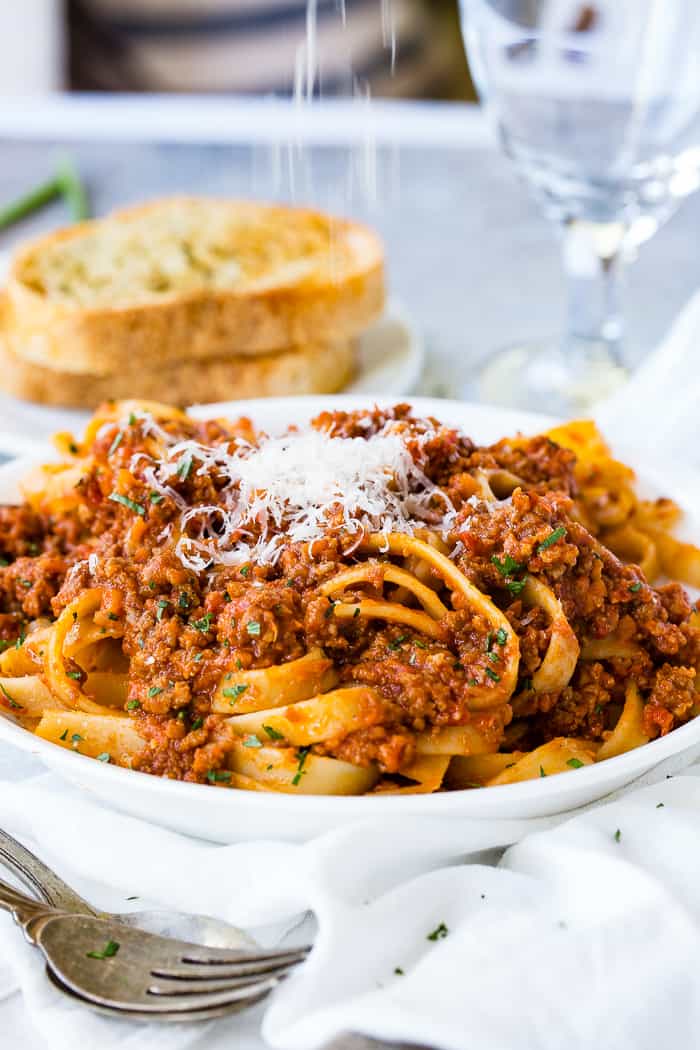
While "Spaghetti Bolognese" is a common term outside of Italy, true Bolognese sauce is traditionally served with a broader, flatter pasta that can better embrace the thick, meaty ragù. Think tagliatelle, pappardelle, or fettuccine. These wider noodles provide more surface area for the rich sauce to cling to, ensuring every bite is bursting with flavor. Cook your chosen pasta al dente – firm to the bite – according to package directions. There's nothing worse than soggy pasta with a magnificent sauce.
The Art of Combining
Do not simply ladle the sauce over a mountain of pasta on a plate. For an authentic experience, and to ensure every strand is coated, transfer the cooked pasta directly into the pot with the Bolognese sauce. Add a splash of the starchy pasta cooking water – this emulsifies with the sauce, helping it coat the pasta beautifully and enhancing its creaminess. Toss everything together vigorously for a minute or two over low heat, allowing the pasta to absorb some of the sauce's flavor. This technique creates a unified dish where the pasta and sauce are truly intertwined.
Garnish and Enjoy
Serve your pasta bolognese immediately in warm bowls. A generous grating of fresh Parmigiano-Reggiano cheese is absolutely essential; its salty, nutty notes perfectly complement the richness of the ragù. For an optional touch of freshness, a sprinkle of finely chopped fresh parsley or basil can add a pop of color and a subtle herbal aroma. Remember, a great pasta bolognese often tastes even better the next day, as the flavors continue to deepen and meld. So, if you're making a large batch, anticipate delicious leftovers!
Beyond Tradition: Exploring Modern Pasta Bolognese Variations
While the traditional, slow-cooked pasta bolognese stands as a testament to culinary heritage, the versatility of this beloved dish means there are also fantastic variations perfectly suited for different lifestyles and cravings. Modern adaptations offer convenience without sacrificing significant flavor, providing delicious alternatives for busy weeknights or those looking for a different texture experience.
The Appeal of One-Pot Pasta Bolognese
For those times when time is of the essence, the one-pot pasta bolognese emerges as a true lifesaver. As highlighted by its reputation as an "everyday savior," this method simplifies the cooking process by combining the pasta, meat, sauce, and sometimes even the vegetables, to cook together in a single pot. This not only significantly reduces cleanup but also allows the pasta to absorb all the rich flavors of the sauce as it cooks, resulting in a deeply infused and satisfying meal. These recipes often prioritize hearty, nutritious ingredients like ground meat and plenty of tomatoes, making them a family favorite for their ease, sustenance, and comforting taste. It's a fantastic way to enjoy the essence of pasta bolognese with minimal fuss.
The Comfort of Baked Pasta Bolognese
Another beloved variation is baked pasta bolognese. This rendition transforms the classic into a hearty, bubbling casserole, perfect for feeding a crowd or preparing a make-ahead meal. Typically, cooked pasta is combined with the rich Bolognese sauce, layered with béchamel sauce (a creamy white sauce) or extra cheese, and then baked until golden and bubbly. The baking process allows the flavors to meld even further, creating a rich, gooey, and incredibly comforting dish with a crispy, cheesy top. It's a wonderful option for potlucks, family gatherings, or simply when you're craving a substantial, warm meal straight from the oven.
Dietary Adaptations and Other Twists
Beyond traditional beef or mixed-meat versions, pasta bolognese is wonderfully adaptable to various dietary needs and preferences. You can explore a lighter twist by using ground turkey or chicken, or for a bolder flavor, ground lamb offers a unique profile. Vegetarian and vegan versions, often using lentils, mushrooms, or plant-based mince, can achieve a remarkably similar depth and heartiness, mimicking the texture of meat with clever seasoning and slow cooking. Some recipes incorporate different vegetables like bell peppers or zucchini, while others might swap out standard tomatoes for roasted ones to add a smoky sweetness. These variations demonstrate the incredible flexibility of the Bolognese concept, proving that its core appeal—a rich, savory sauce paired with pasta—can be enjoyed in countless creative ways.
Whether you commit to the traditional, hours-long simmer or opt for a quicker, more convenient interpretation, understanding the foundational principles of fresh ingredients and thoughtful cooking techniques will always lead to a more delicious and satisfying pasta bolognese experience.
In conclusion, mastering the secrets to an authentic pasta bolognese is a journey that celebrates fresh ingredients, patient technique, and a genuine love for Italian culinary tradition. From selecting the finest quality ground meats and crafting a delicate soffritto to meticulously simmering your ragù for hours, each step contributes to a sauce of incredible depth and complexity. While modern conveniences like one-pot or baked pasta bolognese offer fantastic alternatives for busy lives, the principles of using fresh, vibrant components remain paramount for achieving a truly memorable flavor. Embrace the process, savor the aromas, and enjoy the unparalleled satisfaction of creating a pasta bolognese that truly sings – a dish that nourishes not just the body, but also the soul.
